
1852–1914
Haussmann and the Belle Époque
In 1853 Napoleon III made Georges-Eugène Haussmann prefect of the Seine, and over the next seventeen years the two men cut boulevards through the old city, laid sewers and aqueducts, planted parks and, in 1860, annexed the villages around Paris up to the fortifications. Much of the city a visitor sees today was built then. This thread looks at the period through places on its edges: what the new city built, what it uncovered, and where artists went when the centre became expensive.
Railways came first. The Petite Ceinture, built in stages from 1852 to 1869 just inside the fortifications, linked the great stations; the Vincennes line left the Bastille in 1859 on a long viaduct. Both outlived their purpose and are now green walks, the Coulée verte since 1993 and the Petite Ceinture in the 15th arrondissement since 2013. The new streets also turned up the past: cutting the rue Monge in the late 1860s exposed the Roman arena, and its second discovery in 1883 led to a public campaign to save it.
Old pleasures adapted. Zola walked his courtesan Nana through the gaslit Passage des Panoramas, and in 1882 the Musée Grévin opened its wax figures beside the Passage Jouffroy, keeping the passage busy while others declined. On Montmartre, still a semi-rural hill of gardens and quarries, artists rented cheap studios: Renoir worked in the garden of the house that is now the Musée de Montmartre in the mid-1870s, and Suzanne Valadon lived there with her son Maurice Utrillo from 1912. In the impasse du Maine, on the edge of Montparnasse, the young Antoine Bourdelle took a studio in 1885 and kept it all his life. Gustave Moreau, in 1895, began turning his family house into a museum of his own work.
The period ends in war. In 1911 the banker and collector Moïse de Camondo began a house on the edge of the Parc Monceau, modelled on an eighteenth-century pavilion and fitted with modern comforts, for his children. It was finished in 1914. His son Nissim was killed as a pilot in 1917; his daughter, her husband and their children were murdered at Auschwitz. The house he left in his son’s name is the last stop of this thread, and the most sobering reminder of what followed the Belle Époque.
-
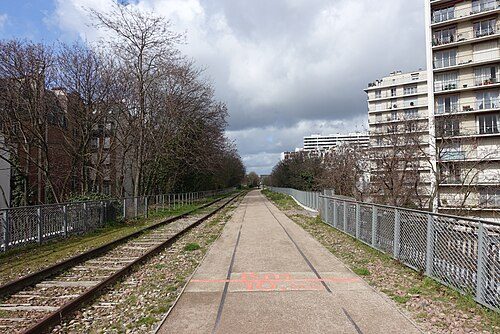 Gardens & green ways · 15thPetite Ceinture in the 15th
The railway that ringed the Second Empire city, built 1852–1869, now a wild walk along the old tracks.
-
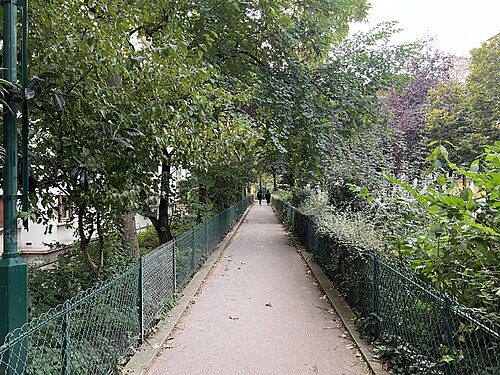 Gardens & green ways · 12thCoulée verte René-Dumont (Promenade plantée)
The Vincennes line of 1859 and its viaduct, turned into a garden walk with craftsmen’s workshops in the arches.
-
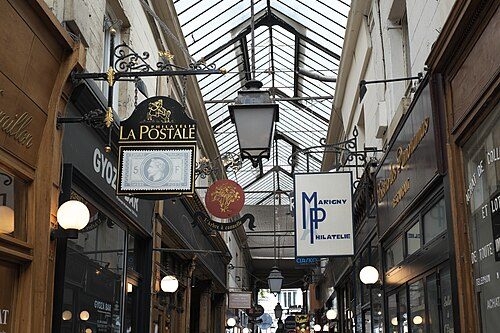 Covered passages · 2ndPassage des Panoramas
The gaslit passage through which Zola sent Nana, in a novel set in 1867.
-
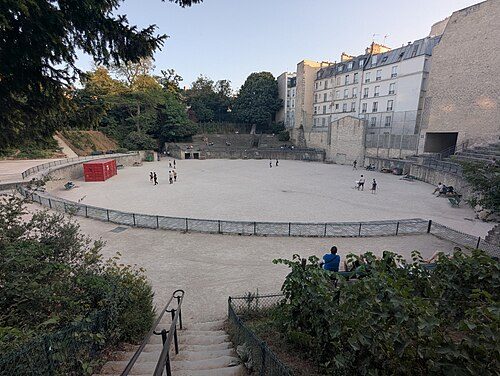 Oldest Paris · 5thArènes de Lutèce
Roman remains found when Haussmann’s engineers cut the rue Monge, and saved by a public campaign in the 1880s.
-
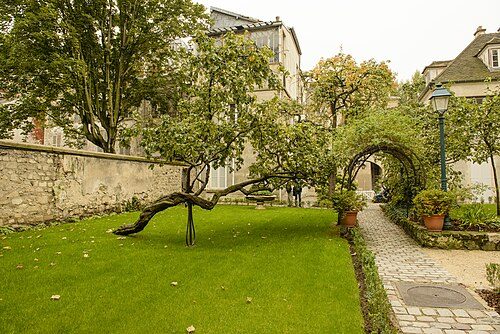 Small museums · 18thMusée de Montmartre
Renoir’s garden of the 1870s and the home of Valadon and Utrillo from 1912: artists’ Montmartre in one house.
-
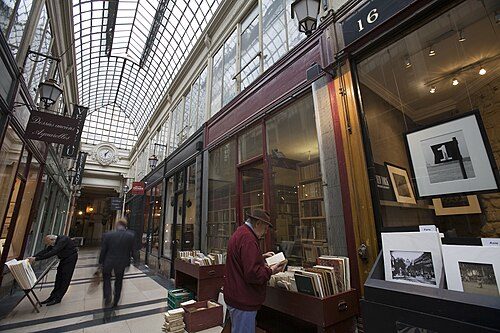 Covered passages · 9thPassage Jouffroy
Kept alive from 1882 by the Musée Grévin, whose exit opens onto the gallery.
-
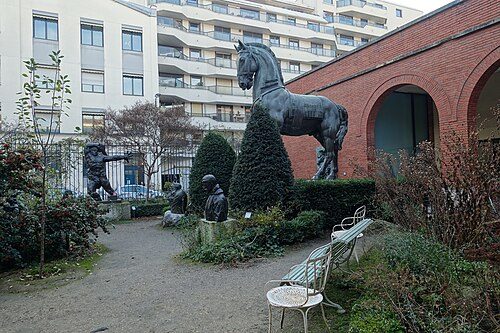 Small museums · 15thMusée Bourdelle
The studio Bourdelle rented in 1885 and worked in until 1929, now a museum around his plasters.
-
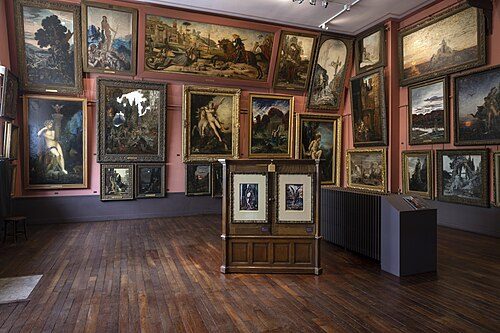 Small museums · 9thMusée Gustave Moreau
The house Moreau turned into a museum of his own work from 1895, opened in 1903.
-
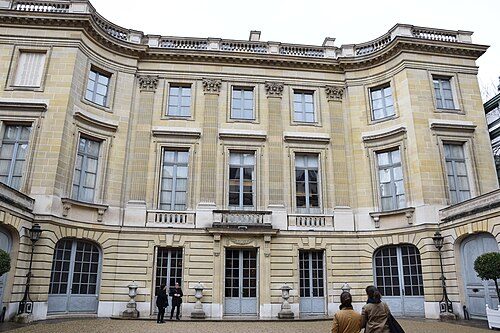 Small museums · 8thMusée Nissim de Camondo
A house built in 1911–1914 for a collector’s children, and a memorial to the family’s tragedy in war and deportation.