

A few places to begin
All 36 places →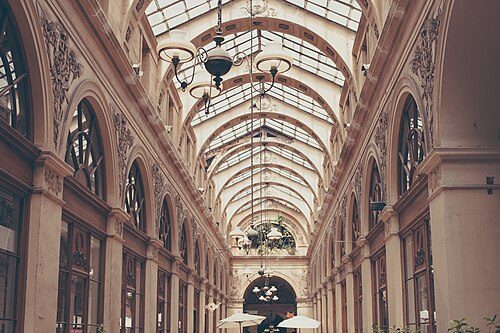 Covered passages · 2nd
Galerie Vivienne
A notary’s speculation of the 1820s, Pompeian in its colours, where Vidocq once climbed the stairs at no. 13.
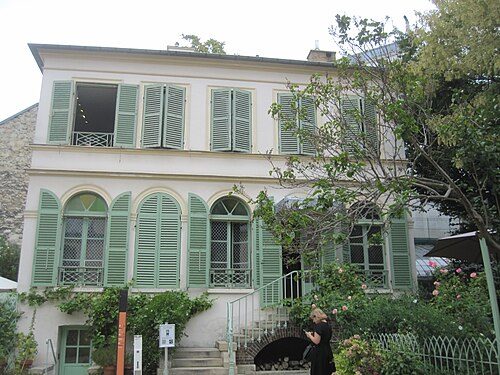 Small museums · 9th
Musée de la Vie romantique
Ary Scheffer’s house and studios at the end of a cobbled lane, where Chopin, Sand and Delacroix came on Friday evenings.
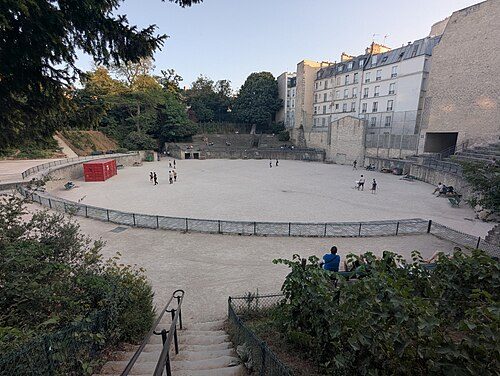 Oldest Paris · 5th
Arènes de Lutèce
A Roman arena behind a row of Haussmann flats, where Lutetia once watched plays and fights and the 5e now plays pétanque.
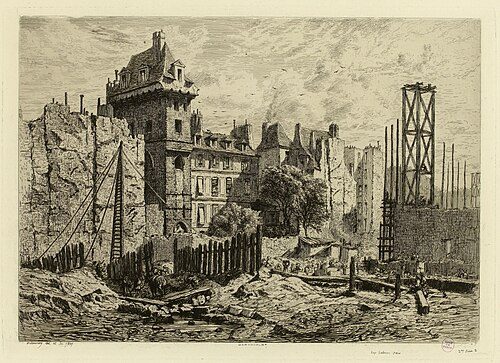 Oldest Paris · 2nd
Tour Jean-sans-Peur
A duke’s tower built after a political murder, where a stone oak, hawthorn and hops spread across the top of the stair.
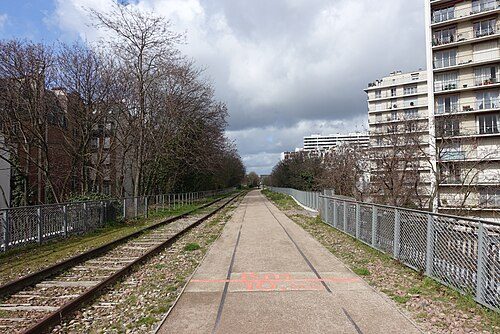 Gardens & green ways · 15th
Petite Ceinture in the 15th
An abandoned railway that once ringed Paris, now a two-kilometre wild walk along the old tracks, through a tunnel opened in 2026.
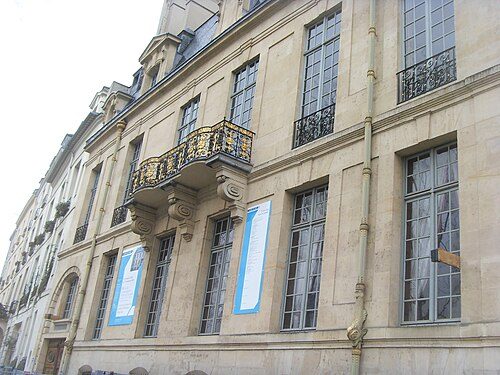 Writers’ houses · 4th
Hôtel de Lauzun
A gilded 1650s mansion on the Île Saint-Louis, where the young Baudelaire rented the attic and Gautier’s hashish eaters met.
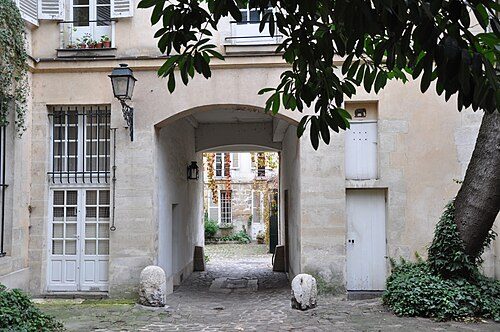 Oldest Paris · 6th
Cour de Rohan and Cour du Commerce-Saint-André
A cobbled passage of revolutionaries and medieval wall, and beyond it three quiet courtyards with the last mounting block in Paris.
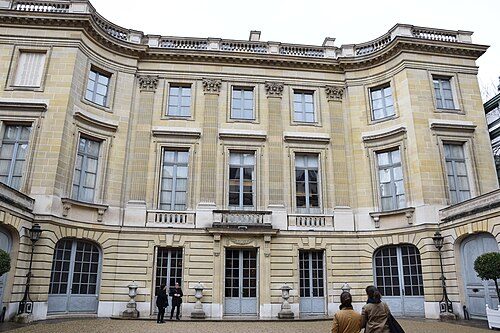 Small museums · 8th
Musée Nissim de Camondo
A banker’s eighteenth-century dream, built on the eve of 1914 and bequeathed as a museum in memory of a son killed in the air.
The map
By arrondissement →Walks
Plan your own walk →
5 stops · 2.1 km
The covered passages
From a duke’s medieval tower to the glass-roofed arcades of the 1820s and 1840s, mostly under cover from the rain.
7 stops · 4.6 km
Medieval Paris, from the Marais to Lutetia
From Flamel’s house of 1407 across the islands to the Roman arena: the oldest Paris, piece by surviving piece.
4 stops · 1.9 km
From the Nouvelle Athènes up to Montmartre
Two painters’ houses below the hill, then a steady climb up the Butte to Renoir’s garden and the Montmartre vineyard.
5 stops · 3.1 km
The Left Bank, from the river to the Faubourg Saint-Germain
From the tip of the Cité to Mazarin’s library, a revolutionary passage, Delacroix’s garden studio and Bouchardon’s fountain.
5 stops · 4.5 km
The Marais and the Faubourg Saint-Antoine
From eighteenth-century treasures and Hugo’s apartment, through the craftsmen’s faubourg and along a railway garden, to Picpus.
3 stops · 4.2 km
Sculptors’ studios and the meridian
Bourdelle’s studios, Louis XIV’s observatory and a hamlet of flower-named lanes: a long walk south across ordinary city streets.
History
History threads →Literary Paris
Plaques and writers →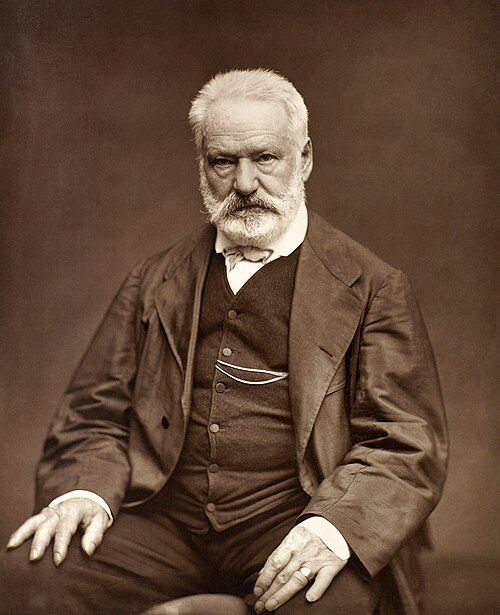 1802–1885Victor Hugo
The poet who made a cathedral famous and a city epic, and whose coffin crossed Paris to the Panthéon.
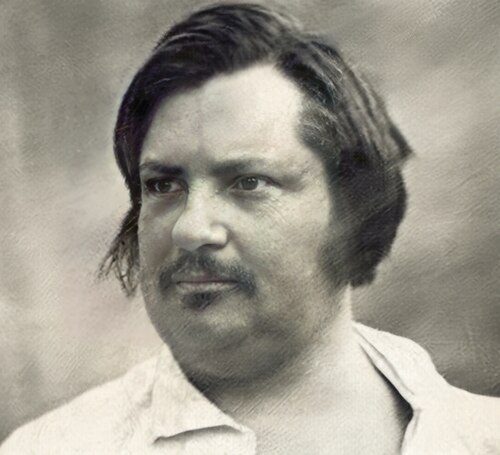 1799–1850Honoré de Balzac
The novelist who treated Paris as a living organism, street by street, and hid from his creditors in Passy.
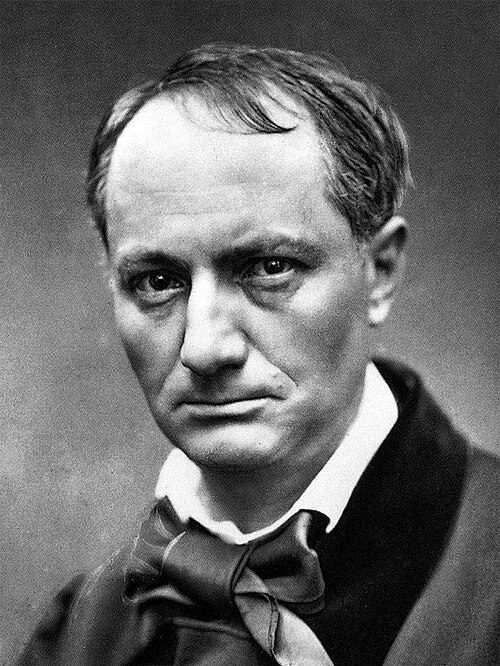 1821–1867Charles Baudelaire
The poet of the modern city, who watched old Paris fall to the Second Empire’s picks and wrote its elegy.
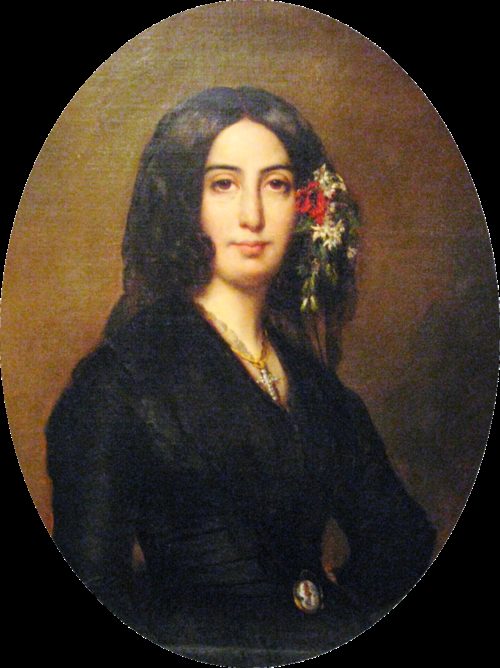 1804–1876George Sand
Born in Paris, she came back in 1831 in boots and a frock coat, and the city became her freedom.
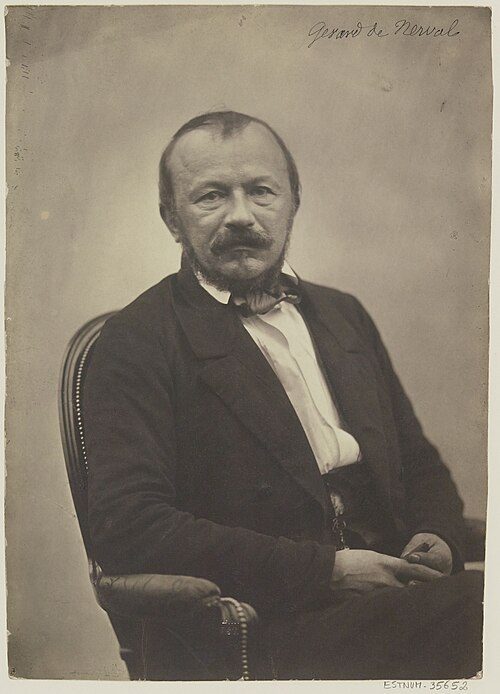 1808–1855Gérard de Nerval
Night-walker of old Paris, who loved the last vineyard on Montmartre and died in a lane by the Châtelet.
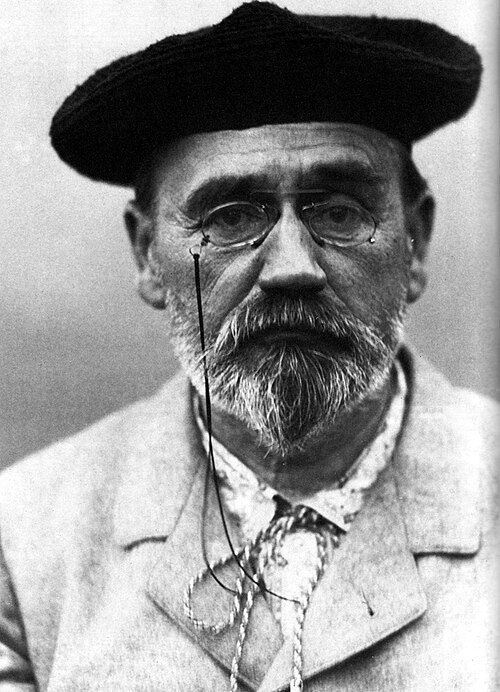 1840–1902Émile Zola
The novelist of Les Halles, the department store and the zinc bar, who ended at the Panthéon after J’accuse.
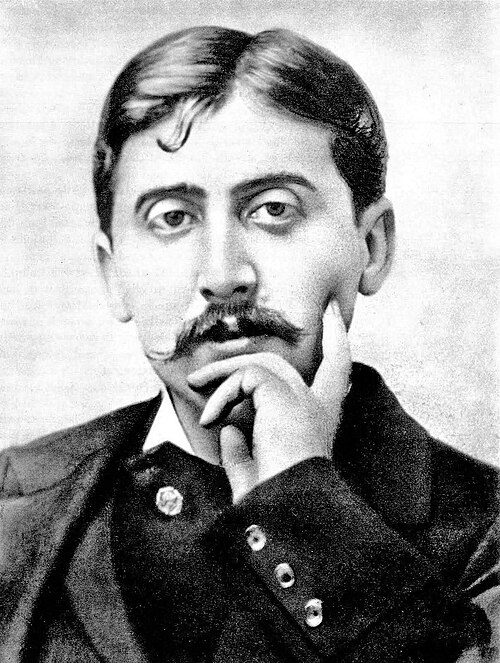 1871–1922Marcel Proust
The novelist of the Champs-Élysées gardens and the Bois de Boulogne, who wrote his great book in a cork-lined room.
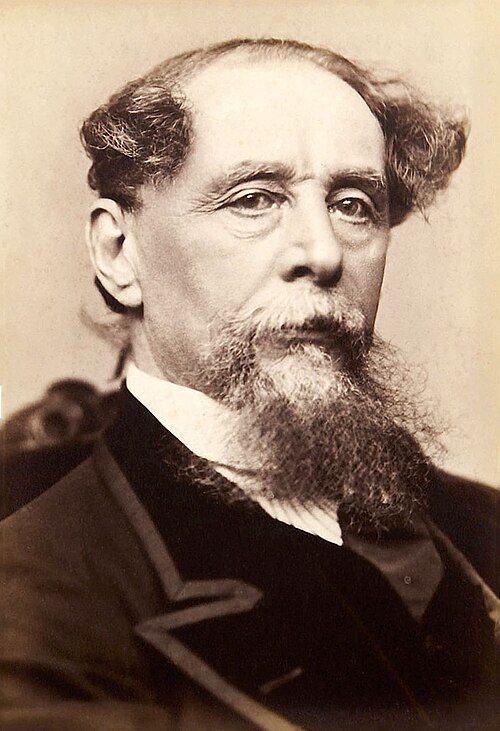 1812–1870Charles Dickens
The Londoner who wintered in Paris, haunted its Morgue, and put the faubourg Saint-Antoine at the heart of A Tale of Two Cities.